Early childhood studies Year 1: This year focuses on: the study of young children and the cultural influences on their lives and development; current issues and concerns in early childhood, including a consideration of special needs and inclusion; a study of research methods which underpin the whole programme; optional modules may include: babies and toddlers; Froebel and the kindergarten; equal opportunities. Year 2: the student looks critically at the significance of play, imagination and creativity in children’s development, considers a variety of curriculum models and examines the impact of the early childhood pioneers on current perspectives and practice; optional modules may include: social work and child protection; health and well-being; the study of traveller and refugee children; the opportunity for a placement. Year 3: in the final year the student may focus on carrying out a substantial research project in a chosen area of study; optional modules may include: thinking and understanding; self and others; social policy and children’s rights; what it means to be a professional and advocate for young children; the nature of teamwork and leadership. Spanish Year 1: The 1st year aims to equip the student with the necessary language skills to work, travel or study in a Spanish speaking environment and give them a knowledge of the key aspects of modern Spanish and Latin American history and society. Year 2: the 2nd year offers the student optional courses in Hispanic culture and society, translation, economy, Spanish literature and cinema, in addition to compulsory Spanish language courses. Year 3: the 3rd year is spent abroad at a Spanish speaking university or on a work placement in Spain or Latin America, or as a language assistant in a Spanish or Latin American school or college. Year 4: in the final year the student consolidates and expands upon their increased knowledge of Spanish language and culture by choosing from a range of options, which may include: audiovisual translation; interpreting; Latin American cinema; myth and memory in the Spanish-speaking world; Spanish business environment; Spanish for marketing; Spanish media and gender studies; alternatively, the student may consider taking a course involving volunteering for a work placement in the United Kingdom using Spanish.
Форма обучен.
Начало
Продолж.
Дневное
сентябрь
Кол-во лет: 4
Дневное
сентябрь
Кол-во лет: 3
Вечернее
сентябрь
Кол-во лет: 4 - 7
This is a combined Honours course which allows the student to study 2 subjects; the early childhood studies course is suitable for students who are interested in how young children think, learn and develop; this programme has been developed to meet the need for well-qualified early years specialists who wish to work with young children and their families; the student takes a multidisciplinary approach to the study of children from birth to 6, and focuses on the knowledge and skills which underpin all professional work with young children; Spanish is a language of growing importance and it is the most widely spoken foreign language in the United States of America; Spanish culture exerts a major influence, not only in the United States of America and Latin America, but worldwide; the proliferation of tapas bars, Gaudi postcards and salsa classes reflects the popularity of Hispanic culture in the United Kingdom; the Spanish course provides the student with in-depth language skills and enables them to choose from a broad range of career opportunities worldwide.
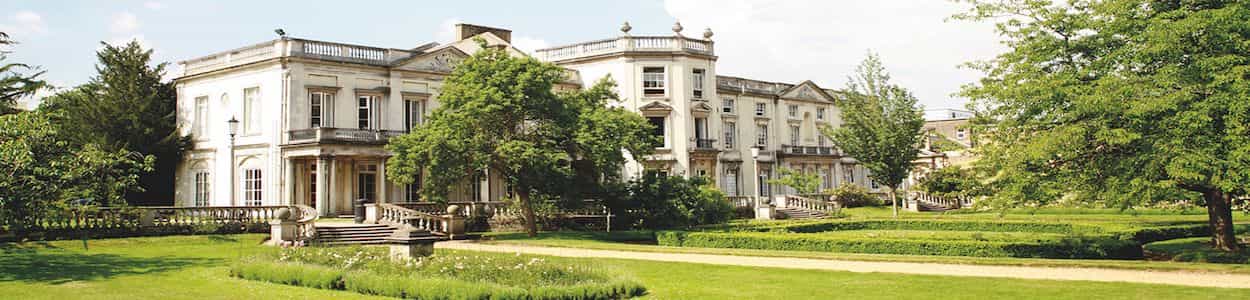
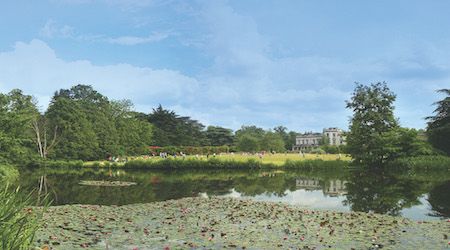
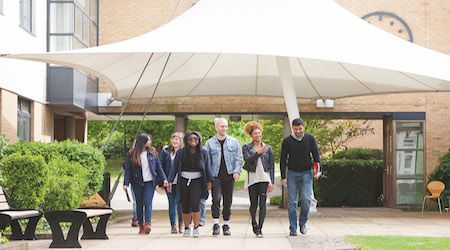
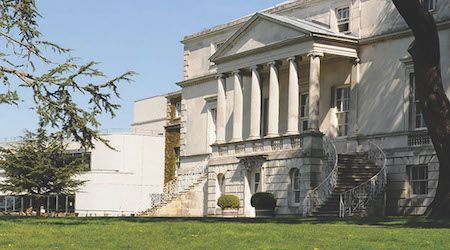
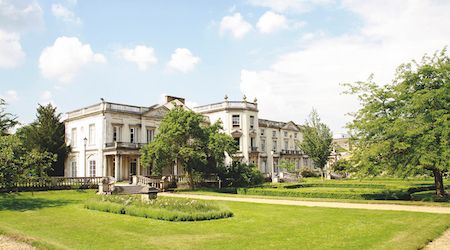
Роэхэмптон – это район, расположенный на юго-западе Лондона. Великолепный и утопающий в зелени академгородок университета Роэхэмптон находится в 20 минутах езды на внутригородской электричке до центральной части Лондона.
Получить консультацию об этом вузе
Чтобы получить консультацию об этом вузе, заполните краткие сведения о себе.