Education Year 1: The student studies a number of compulsory courses introducing them to the main ideas in education; studying the history of the education system helps the student see why it is structured as it is, and a study of the philosophy of the system provokes them into questioning their educational values; the student tackles child and adolescent psychological development and investigates sociological influences such as race, gender and class; the student may also able to choose from a range of optional courses according to their particular interests. Year 2: in the 2nd year the student takes a compulsory course exploring controversial contemporary issues in education; the student may be able specialise by studying a particular age range if they wish, or they can focus on an area such as technology, values in education, or the spiritual and emotional aspects of learning and schooling; there is also an exciting opportunity to undertake an education placement providing opportunities to work with children on an informal basis; the student benefits from optional modules that cover a wide range of topics which may include: comparative studies (education in other countries); gender and race; education in museums; careers education and special educational needs; the student can study from a range of supported learning, building experience and confidence in various fields of employment; examples include: work with youth clubs; nurseries; behaviour units and youth offending teams; some other external certification and training with organisations such as the National Society for the Prevention of Cruelty to Children/National Pyramid Trust and the Communities Empowerment Network. Year 3: in the 3rd year the student can choose to undertake a special study in an area of personal interest with the support of a tutor. English literature Year 1: In the 1st year the student acquires the skills and techniques necessary to succeed at university; the student is introduced to a challenging range of texts from different genres and historical periods and explores some of the critical and theoretical approaches that are important for their later work; the student is offered a range of optional courses to allow them to try out new areas of study that they can follow up in the 2nd and 3rd years; the student’s choice may include courses on the literature of childhood, the representation of slavery, and language in the media. Year 2: the degree is designed to allow the student to pursue areas of interest; the student takes a core set in their 2nd year covering pre-20th-Century literature; a range of options may include: autobiographical and biographical writing; travel writing; gothic and fantastic literature. Year 3: in the 3rd year the student is offered a range of options which may include: crime fiction; literature and addiction; women writers; writing multi-cultural Britain; the literature of food; Charles Dickens and many more; within the literature degree it is also possible to pursue a specialised interest in children’s literature or English language (particularly useful for students who plan to go on to postgraduate training as English teachers).
Форма обучен.
Начало
Продолж.
Дневное
сентябрь
Кол-во лет: 4
Вечернее
сентябрь
Кол-во лет: 4 - 7
Дневное
сентябрь
Кол-во лет: 3
This is a combined Honours course which allows the student to study 2 subjects; education is everyone’s entitlement; but what should be taught and how should people teach it? on the education course the student can explore the nature of this vital subject, while building a strong portfolio of personal, vocational and academic skills; following an introduction to the fundamental elements of the education system, the student has the opportunity to choose from a wide variety of optional modules ranging from gender and race to education in museums and special educational needs; the English literature course is suitable for students who are interested in children’s literature or crime fiction, in Shakespeare or stand-up comedy, in Victorian novels or visual texts.
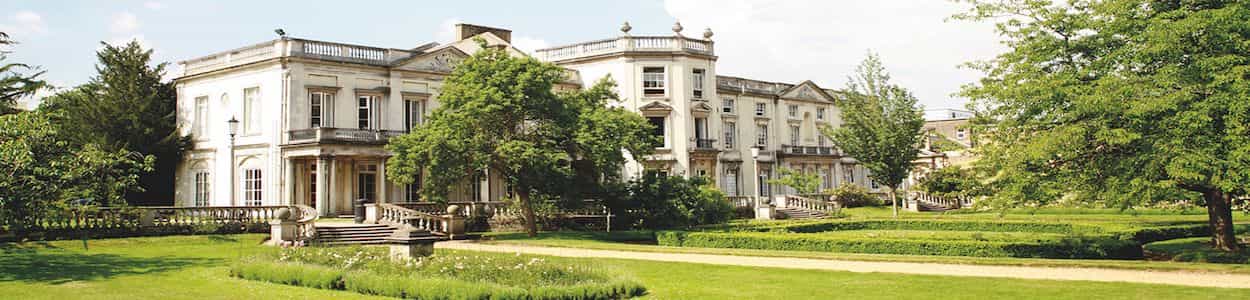
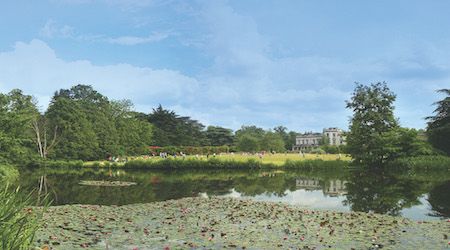
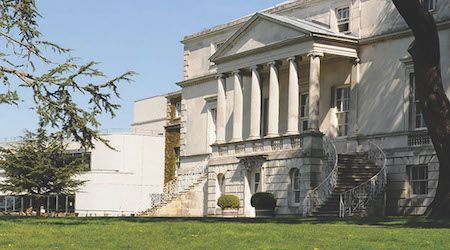
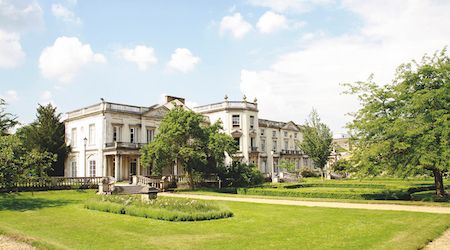
Роэхэмптон – это район, расположенный на юго-западе Лондона. Великолепный и утопающий в зелени академгородок университета Роэхэмптон находится в 20 минутах езды на внутригородской электричке до центральной части Лондона.
Получить консультацию об этом вузе
Чтобы получить консультацию об этом вузе, заполните краткие сведения о себе.